
Scallops last 1–3 days in the fridge, 6–18 months in the freezer, and no more than 2 hours at room temperature.
Shelf life at a glance
Bars show the longest recommended time for each place. Scale runs from 1 hour to 2 years.
- 1Use within days
- 2Keeps a week or two
- 3Keeps for months
- 4Keeps a long time
Based on the longest fridge or pantry time.
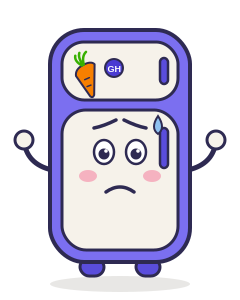
It's inside the safe window but near the end. Eat it today or freeze it now.
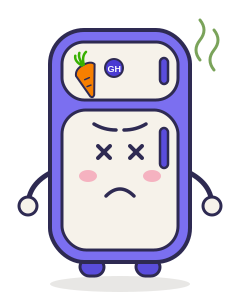
Past the recommended fridge time. Even if it looks and smells fine, throw it out.
Past the recommended fridge time. Even if it looks and smells fine, throw it out.
Counted from the day it was cooked, opened or bought. Assumes a fridge at 4 °C (40 °F) or colder.
Your scallops fridge countdown
- Made0
- Day1
- Day2
- Day3
- Day4
- Day5
Based on the USDA FoodKeeper fridge window at 4°C (40°F) or colder.
Check your scallops

Still inside the 2-hour limit. Put them in the fridge straight away, in a shallow container so they cool quickly.
Fine at normal room temperature. On a hot day above 32°C (90°F), 1 hour is already the limit, so refrigerate them immediately.
Two hours is the USDA cut-off. If it was warm, or you are not sure exactly how long, throw them out.
Past the 2-hour limit. Bacteria may have multiplied or produced toxins that reheating will not destroy.
Scallops left out overnight have spent many hours in the danger zone (4–60°C / 40–140°F). It may look fine, but it is not safe.
Room temperature means anything above 4°C (40°F). On hot days above 32°C (90°F), the limit is 1 hour.
At -18°C (0°F), scallops are still within the 6–18 months quality window. Thaw in the fridge and use within a day or two.
At -18°C (0°F), scallops are still within the 6–18 months quality window. Thaw in the fridge and use within a day or two.
Still safe, and at the end of its best-quality window. Use it in the next few weeks; texture and flavour fade after 6–18 months.
Food kept frozen solid stays safe indefinitely, but after 24 months expect freezer burn and dull flavour. Fine for soups, sauces and baking; trim dry grey patches.
Assumes a freezer at -18°C (0°F) or colder. Frozen food stays safe; these verdicts are about quality.
About scallops
Scallops belong to our seafood category. According to USDA FoodKeeper, they keep 1–3 days in the fridge and 6–18 months in the freezer. Like all perishable food, they should not sit at room temperature for more than 2 hours. Where to keep them: raw meat and seafood go on the bottom shelf, in a dish, so juices can never drip onto ready-to-eat food.
Scallops storage times by method

| Method | Duration | Temperature | Container | Notes |
|---|---|---|---|---|
| Pantry / counter | 2 hours | 68–72°F | Store pack or sealed | 1 hour if above 90°F |
| Refrigerator | 1–3 days | ≤ 40°F / 4°C | Store pack or sealed | at or below 40°F (4°C) |
| Freezer | 6–18 months | 0°F / -18°C | Freezer bag or wrap | at 0°F; quality, not safety |
Times assume a fridge at 4°C (40°F) or colder and a freezer at -18°C (0°F).
Where to store scallops

Raw meat and seafood go on the bottom shelf, in a dish, so juices can never drip onto ready-to-eat food.
Scallops shelf life, answered
How long do scallops last in the fridge?
1–3 days at 4°C (40°F) or colder. Count from the day it was cooked, opened or bought.
How long do scallops last in the freezer?
6–18 months for best quality at -18°C (0°F). Frozen food stays safe indefinitely; after that, texture and flavour fade.
How long do scallops last at room temperature?
No more than 2 hours, or 1 hour above 32°C (90°F). Perishable food left out longer should be thrown away.
How long is scallops good for past the expiration date?
For perishable scallops, the storage clock matters more than the label: if it has been in the fridge longer than 1–3 days, discard it even before the printed date.
How can you tell if scallops are bad?
Strong fishy, sour or ammonia odour. Fresh seafood smells of the sea. Mushy flesh that does not spring back, or a milky slime. Dull, grey or yellowing flesh; dark edges.
How long can scallops sit out?
2 hours at room temperature, 1 hour on a hot day above 32°C (90°F). Overnight is always too long.
Signs scallops have gone bad

Smell
Strong fishy, sour or ammonia odour. Fresh seafood smells of the sea.
Texture
Mushy flesh that does not spring back, or a milky slime.
Colour
Dull, grey or yellowing flesh; dark edges.
Shells
Live shellfish with open shells that do not close when tapped.
Nothing ticked? Good sign. Still check how long it has been stored: the bacteria that cause food poisoning are invisible.
Any of these means it has gone bad. Throw it out — don't taste it to check.
Can you freeze scallops?

- 1Step 1
Freeze as fresh as possible, ideally the day you buy it.
- 2Step 2
Wrap tightly in plastic, then a freezer bag; press out the air and date it.
- 3Step 3
Thaw overnight in the fridge or sealed in cold water; never on the counter.
How to thaw scallops
In the fridge
Safest. About 24 hours per 2.3 kg (5 lb); small packs overnight. Raw meat and seafood then keep 1–2 more days.
In cold water
Seal it in a leak-proof bag, submerge, and change the water every 30 minutes. About 30 minutes per 0.5 kg (1 lb). Cook right away.
In the microwave
Use the defrost setting and cook immediately, because parts of the food may start to cook.
How to reheat scallops safely
Reheat to 74°C (165°F)
Check the thickest part with a food thermometer; it should be steaming hot all the way through.
Only once
Reheat just the portion you will eat. Each cool-and-reheat cycle gives bacteria another chance.
Cover and stir
In the microwave, cover the dish and stir halfway so there are no cold spots.
From the freezer
Thaw in the fridge first, or reheat straight from frozen and allow extra time.
Scallops left out overnight

Scallops left at room temperature for more than 2 hours (1 hour above 90°F / 32°C) should be thrown away. Bacteria multiply fastest between 40°F and 140°F, and reheating does not remove every toxin they make.
Bacteria multiply fastest between 4 °C and 60 °C (40–140 °F).
Best-by and use-by dates on scallops
Best-by and sell-by
FoodKeeper gives unopened scallops 1–3 days in the fridge, counted from the day you buy it. "Best-by" and "sell-by" describe quality and stock rotation, not safety; only infant formula carries a federally required use-by date.
Past the date
For perishable scallops, the storage clock matters more than the label: if it has been in the fridge longer than 1–3 days, discard it even before the printed date.
How to store scallops

- Keep on ice or in the coldest part of the fridge, at 40°F (4°C) or below.
- Store live shellfish in a bowl covered with a damp cloth, never in water or sealed plastic.
- Cook or freeze within the fridge window.
How long do scallops last compared with similar foods?
At up to 3 days in the fridge, scallops keep about the same as the typical food in shellfish (median 3 days across the 23 we track). 74% of them last at least as long.
In this group, fresh clams and mussels keep longest (10 days) and live lobster the shortest (1 day). If you need a little more time, cooked crab lasts 4 days.
Frozen, scallops keep best quality for up to 1.5 years, longer than 81% of the 21 shellfish foods with a freezer time (median 4 months).
- Cooked crab 3–4 days
- Cooked shellfish 3–4 days
- Cooked shrimp 3–4 days
- Scallops 1–3 days
- Shrimp 1–3 days
- Cooked lobster tails 2–3 days
- Clams 1–2 days
Same scale as the timeline above: 1 hour to 2 years.
Check any food in seconds: when your leftovers expire, and whether something left out is still safe.
Similar foods
All shellfish → Can you freeze… hub → Leftover calculator →Freezer time calculator →Left-out checker →